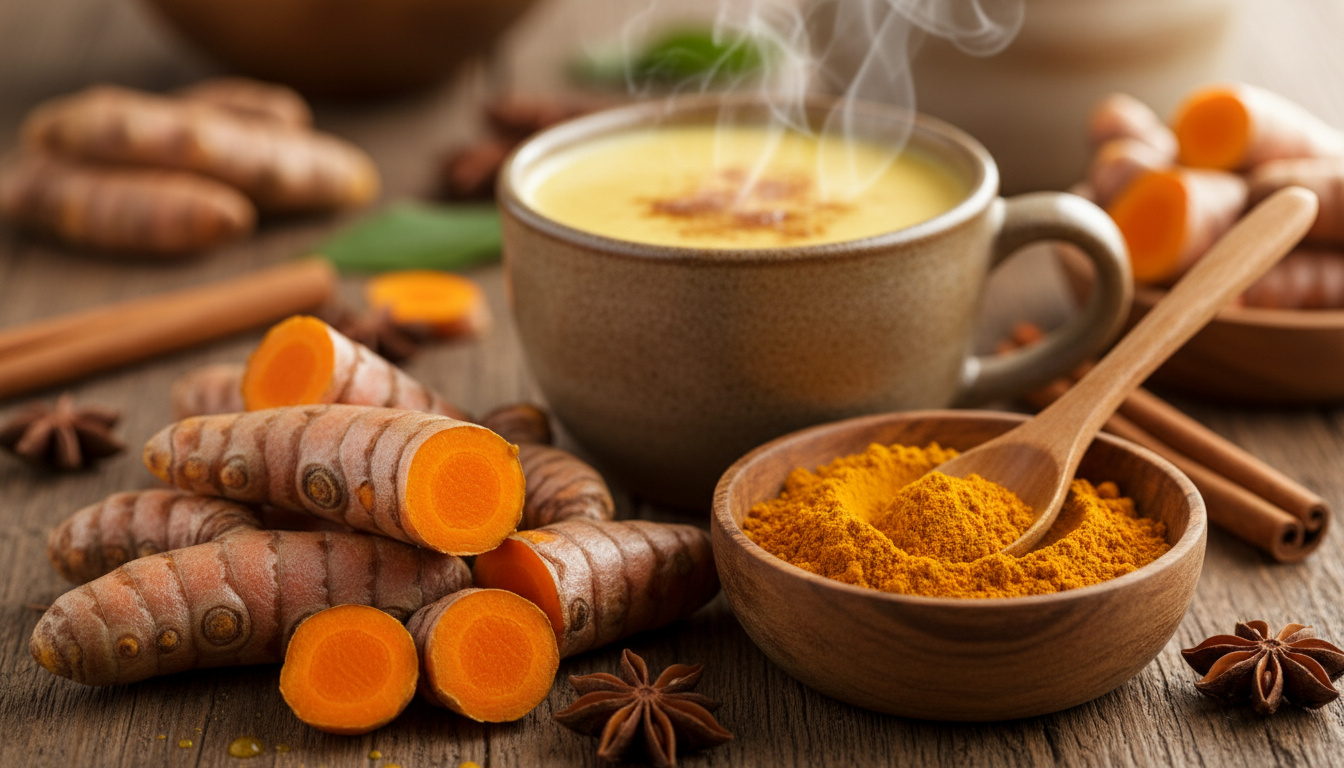
Turmeric, the golden spice derived from the rhizome of the Curcuma longa plant, has transitioned from ancient Ayurvedic medicine to modern supplement shelves. Its primary bioactive compound, curcumin, demonstrates potent anti-inflammatory and antioxidant properties in laboratory studies, though researchers emphasize that practical benefits depend heavily on overcoming significant bioavailability challenges according to clinical evaluations.
While culinary use in curries and teas remains safe for most populations, concentrated supplements delivering 500-2,000mg of curcumin daily have shown promise in managing conditions ranging from ulcerative colitis to psoriasis. Evidence currently derives largely from small-scale human trials and animal studies, with medical institutions noting that large-scale randomized control trials remain necessary to confirm many purported systemic benefits.
What Are the Main Benefits of Turmeric?
Curcumin, comprising 2-5% of turmeric powder, drives pharmacological effects through NF-κB pathway inhibition.
Culinary spice, standardized extracts, golden milk beverages, and topical pastes.
Antioxidant cellular protection, modulation of inflammatory cytokines, and potential joint symptom relief.
Natural bioavailability is extremely low; absorption increases 2,000% when combined with piperine.
- Curcumin inhibits inflammatory signaling pathways implicated in arthritis, psoriasis, and inflammatory bowel disease
- Antioxidant mechanisms neutralize free radicals associated with diabetes, cardiovascular disease, and cellular aging
- Bioavailability remains the primary limitation, requiring co-administration with black pepper or lipid-based formulations
- Clinical evidence for ulcerative colitis remission exists, with a 2016 study showing 2g daily prolonged symptom-free periods
- Formulations like Meriva® and CurQD® demonstrate enhanced absorption compared to standard curcumin
- Third-party testing is essential for supplements to avoid heavy metal contamination and gluten fillers
| Fact | Details | Evidence Level |
|---|---|---|
| Active Compound | Curcumin (polyphenol) | High |
| Natural Content | 2-5% of turmeric powder | High |
| Primary Mechanism | NF-κB pathway inhibition | Moderate |
| Absorption Enhancement | Piperine increases 2,000% | High |
| Arthritis Support | Symptom reduction in trials | Moderate |
| Ulcerative Colitis | 2g daily with medication | Moderate (2016) |
| Antioxidant Effect | Free radical neutralization | High |
| Side Effect Threshold | >500mg curcumin daily | Moderate |
| Liver Injury Risk | 5 cases (2009-2022) | Low |
| Drug Interaction Potential | Blood thinners, antidiabetics | Moderate |
What Is Turmeric Good for Skin?
Topical application targets inflammatory skin conditions through localized curcumin delivery. Dermatological applications focus primarily on psoriasis management, where the compound may reduce erythema and scaling when applied as a paste or included in formulated creams.
Psoriasis and Inflammatory Conditions
Patients with psoriasis have utilized turmeric both orally and topically to manage flare-ups. The anti-inflammatory properties that reduce systemic markers also appear to calm cutaneous inflammation, though the staining pigment presents practical challenges for cosmetic use.
Acne and General Dermatological Care
Beyond psoriasis, turmeric features in traditional remedies for acne and dry skin conditions. Its antimicrobial potential complements anti-inflammatory effects, though clinical trials specifically isolating turmeric’s efficacy against standard acne treatments remain sparse.
Topical turmeric produces temporary yellow discoloration of the skin and fabrics. This staining typically resolves with soap and water within 24-48 hours, though some users apply treatments before showering to minimize visibility.
Turmeric Benefits for Women
While no clinical trials specifically isolate turmeric’s effects on female-specific conditions like PCOS or menstrual disorders, its general anti-inflammatory capacity suggests potential applications for inflammatory-driven reproductive health concerns. Researchers infer that reducing systemic inflammation may alleviate associated symptoms, though direct evidence remains absent from current literature.
Hormonal and Reproductive Health
Conditions such as polycystic ovary syndrome involve inflammatory components that theoretically respond to curcumin’s signaling inhibition. However, women seeking treatment for menstrual pain or hormonal imbalances will note that evidence supporting turmeric specifically for these indications derives from general mechanistic understanding rather than targeted studies.
Direct clinical trials examining turmeric for PCOS, menstrual pain, or fertility remain unpublished. Current recommendations rely on extrapolation from general anti-inflammatory research rather than gender-specific efficacy data.
What Is Turmeric Good for in Cooking?
Culinary integration represents the safest and most historically validated method of turmeric consumption. Unlike supplement formulations, food-based intake rarely produces adverse effects while providing the full spectrum of curcuminoids and volatile oils present in the rhizome. How to relieve trapped wind addresses related digestive concerns that moderate culinary turmeric may help alleviate.
Cooking Applications
Traditional utilization in curry powders, rice dishes, and soups delivers 1-3g of turmeric powder daily, amounts generally recognized as safe without medical supervision. Combining turmeric with black pepper during cooking naturally addresses bioavailability limitations through piperine content, while dietary fats enhance curcumin absorption through lipophilic mechanisms.
Golden Milk and Infusions
Turmeric tea, often prepared as golden milk with dairy or plant-based milks and black pepper, provides a palatable delivery method for daily anti-inflammatory support. These beverages offer intermediate dosing between culinary use and clinical supplement levels, typically containing 1-2g per serving.
Culinary consumption (1-3g daily) presents minimal risk profiles. Supplemental doses exceeding 500mg curcumin (approximately 8-10g turmeric powder) demonstrate significantly higher incidence of gastrointestinal distress and potential drug interactions.
How Has Turmeric Use Evolved?
- : Ayurvedic medicine documentation in India establishes turmeric for respiratory and digestive conditions
- : Scientific isolation of curcumin enables modern pharmacological research
- : Medical literature documents 5 cases of liver injury associated with high-dose curcumin supplements
- : Randomized trial demonstrates ulcerative colitis remission extension with 2g daily curcumin
- : Formulations with piperine and phospholipid complexes (Meriva®, CurQD®) become standard for bioavailability enhancement
What Do We Know for Certain?
| Established Evidence | Uncertain or Emerging |
|---|---|
| Curcumin possesses anti-inflammatory and antioxidant properties in laboratory settings | Optimal dosing protocols for specific chronic diseases |
| Bioavailability is extremely low without piperine or lipid formulations | Long-term safety of high-dose supplementation beyond 24 months |
| Ulcerative colitis remission benefits demonstrated in clinical trial | Efficacy specifically for women’s health conditions like PCOS |
| Risk of liver injury exists with high-dose supplements (rare) | Comparative effectiveness versus standard anti-inflammatory medications |
| Culinary amounts (1-3g) are well-tolerated by general population | Interaction profiles with all prescription medication classes |
What Is Turmeric Made From?
Turmeric powder derives from the dried and ground rhizome—underground horizontal stems—of the Curcuma longa plant, a member of the ginger family native to Southeast Asia. The raw rhizome contains 2-5% curcumin by weight, alongside other curcuminoids and essential oils that contribute to its characteristic aroma and color.
Curcumin supplements isolate the specific polyphenol responsible for biological activity, potentially offering cleaner dosing without the cellulose and fiber matrix of whole turmeric. However, this concentration necessitates stricter quality control, as isolated compounds in supplement form bypass the natural buffering of the whole food matrix.
What Do Medical Experts Say?
“Turmeric neutralizes free radicals—chemicals that can damage the body’s cells—and reduces inflammation.”
— Johns Hopkins Medicine
“A 2016 study showed that patients with ulcerative colitis who took 2,000 milligrams of curcumin daily along with prescription medication were more likely to stay in remission.”
— Cleveland Clinic
Key Takeaways on Turmeric’s Benefits
Turmeric offers evidence-backed anti-inflammatory and antioxidant properties primarily through its curcumin content, with strongest clinical support for ulcerative colitis management and general inflammatory modulation. While culinary use in cooking and teas provides safe, low-risk benefits enhanced by black pepper, high-dose supplements above 500mg curcumin require medical oversight due to rare liver injury reports and drug interaction potentials. Information regarding Swollen lymph nodes in neck provides additional context on related inflammatory markers.
Frequently Asked Questions
What is turmeric made from?
Turmeric comes from the dried and ground rhizome (underground stem) of the Curcuma longa plant, containing 2-5% curcumin and other curcuminoids responsible for its yellow color and biological activity.
Is ginger and turmeric the same?
No. While both are rhizomes from the Zingiberaceae family with anti-inflammatory properties, ginger focuses primarily on digestive and nausea relief, whereas turmeric’s benefits center on curcumin’s antioxidant and anti-inflammatory mechanisms.
Is turmeric tea good for you?
Yes, when consumed as golden milk or simple infusions, turmeric tea provides 1-2g daily doses that support general wellness with minimal risk, though benefits are milder than concentrated supplements.
Why combine turmeric with ginger?
The combination leverages complementary anti-inflammatory pathways while ginger’s digestive benefits may mitigate mild stomach upset some experience with turmeric, though no direct comparative meta-analyses confirm synergistic superiority.
What are serious side effects of turmeric?
High-dose supplements (>500mg curcumin) may cause nausea, diarrhea, and rare liver injury (5 documented cases between 2009-2022). Blood thinning and hypoglycemic effects require caution with anticoagulants and diabetes medications.
How much turmeric should I take daily?
Culinary use: 1-3g powder. Supplemental: 500-2,000mg curcumin with piperine. Consultation with healthcare providers is recommended prior to exceeding food-based amounts, particularly when taking prescription medications.

Oliver Hayes is a staff writer for CivicInsight.uk, reporting on news, local government and public services. His work is reviewed by the editorial desk and checked against our sourcing and fact-checking standards before publication.