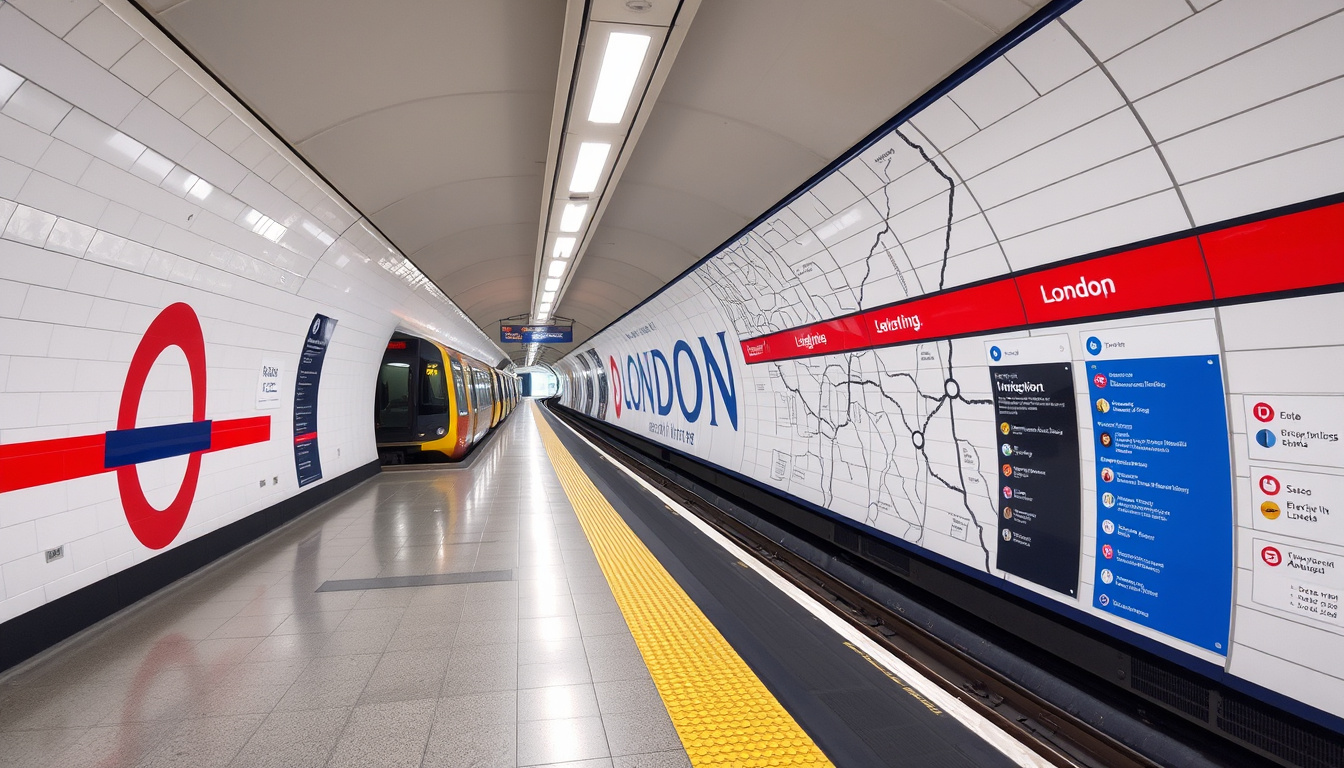
There’s a moment every London visitor knows: you’re standing in a Tube station, phone battery at 15%, wondering if an Oyster is worth the deposit or if you can just tap your bank card. The good news is the 2025 London Tube map is free to download, with flexible payment options — this guide walks you through everything from the official PDF to the cheapest fare so you spend less time worrying and more time exploring.
Tube lines: 11 ·
Stations served: 272 ·
Annual ridership (2024): 1.35 billion ·
Cost of a single journey (Zone 1, contactless): £2.80 ·
1-day Travelcard (Zones 1-2): £15.20
Quick snapshot
- Official Tube map is free to download from Transport for London (government transport authority)
- Oyster cards require a £7 refundable deposit (TFL official fare guidance)
- Contactless payment accepted across entire network (TFL official contactless payment info)
- Daily cap for Zones 1-2 is £8.10 (2025) (TFL official daily cap page)
- Whether the 2025 map includes any new line extensions beyond existing ones
- Exact date of the 2025 map release (available from early 2025)
- 2022: Elizabeth line opens, added to Tube map (TFL official Elizabeth line page)
- 2016: Night Tube introduced on select lines (TFL official Night Tube overview)
- 2025: Updated map released with new accessibility features and route adjustments (TFL official Elizabeth line page)
- Download official PDF map before your trip (TFL official map download page)
- Choose Oyster or contactless based on trip length and frequency (TFL official map download page)
- Check Night Tube schedules if visiting on a weekend (TFL official map download page)
This table captures the essential numbers for planning your trip around London using the Underground.
| Label | Value |
|---|---|
| Official map download URL | TFL official Tube map page |
| Number of stations | 272 |
| Night Tube lines (2025) | Central, Victoria, Jubilee, Northern, Piccadilly (TFL official large-print map) |
| Cost of a single journey (Zone 1, contactless) | £2.80 (TFL official fares page) |
| Daily cap (Zones 1-2) | £8.10 |
| 1-day Travelcard (Zones 1-2) | £15.20 (TFL official Travelcard page) |
| 1-day Travelcard (Zones 1-6) | £23.30 |
| 7-day Travelcard (Zones 1-2) | £40.70 |
| Standard Tube map PDF size | 529 KB (TFL official download page) |
| Large-print colour map size | 3.51 MB |
| Night Tube map PDF size | 405 KB (Visit London official tourism guide) |
Is the London Tube map free?
How to download the London Tube map for free
- The official PDF is available at no cost from Transport for London (government transport authority).
- Visit London, the city’s official tourism body, also hosts a downloadable version on its official guide page.
- The standard map file is 529 KB — small enough to save on any phone.
Are there different versions of the map (large print, black and white)?
TFL provides several accessibility-focused formats: a large-print colour version (3.51 MB), a large-print black-and-white version (445 KB), and a step-free Tube guide (3.54 MB) — all downloadable from TFL official map page (government transport authority). Audio maps are also available for visually impaired travellers, as noted on Visit London official accessibility guide.
Where can I get a printed London Tube map?
Printed maps are handed out at Tube station ticket halls and visitor centres across London. They’re also included in the free London Official Visitor Guide available at major hotels and airports. The map indicates step-free access, riverboat services, trams, and airports — all useful for planning, per Visit London (official tourism board).
A free, official PDF is accessible within seconds — no sign-up, no paywall. For travellers with mobility needs, TFL’s large-print and audio formats remove a serious barrier, making the Tube genuinely inclusive.
The implication: you have zero excuse to arrive without a map. Download it before you land, and you’ll navigate from the moment you step off the plane.
How much is a 1 day Tube pass in London?
What is the price of a 1-day Travelcard?
A 1-day Travelcard for Zones 1-2 costs £15.20 in 2025, while a Zones 1-6 version runs £23.30, according to TFL official Travelcard page (London transport authority). These passes include unlimited bus and Tube travel within the selected zones.
Is a 1-day pass cheaper than pay as you go?
For a tourist making 2-3 short journeys in central London, pay as you go with a daily cap (£8.10 for Zones 1-2) is nearly half the cost of a 1-day Travelcard. The Travelcard only becomes cheaper if you make 5+ trips in a day. Data from TFL official daily cap page (fares authority) confirms the cap structure.
Are there zone-based pricing differences for a day pass?
Yes — Travelcard pricing scales by zone coverage. A 1-day Travelcard for Zones 1-2 costs £15.20; Zones 1-4 costs more; and the full Zones 1-6 pass is £23.30. Pay-as-you-go daily caps also scale: the cap for Zones 1-2 is £8.10, while Zones 1-6 caps at a higher amount (TFL official fares overview).
Tourists covering only central zones face a clear choice: pay as you go with daily cap saves money for 2-4 trips, while a Travelcard wins only on days with heavy back-and-forth travel across multiple zones.
Upsides of pay-as-you-go
- No upfront cost with contactless
- Daily cap auto-applies
- Cheaper for 2-4 trips/day in Zone 1-2
Downsides of pay-as-you-go
- No unlimited travel
- Foreign transaction fees may apply on international cards
- Requires tapping in and out consistently
The pattern: buying a 1-day Travelcard out of habit costs casual visitors up to £7 more per day than tapping contactless — a difference that adds up over a week-long trip.
Is it cheaper to pay as you go on the Tube?
Oyster vs contactless: which is cheaper?
Both methods charge identical fares — a single Zone 1 journey costs £2.80 with either an Oyster card or a contactless bank card (TFL official contactless info). The difference? Oyster requires a £7 refundable deposit, while contactless needs no upfront cost. Contactless also auto-calculates the best daily/weekly cap without any manual top-up.
Pay as you go vs Travelcard: when does each save money?
For 3 or fewer journeys per day in Zones 1-2, pay as you go with the £8.10 daily cap is cheaper. For 5+ journeys, a £15.20 Travelcard may break even or save a small amount. For a week, a 7-day Travelcard (Zones 1-2, £40.70) is almost always cheaper than 7 days of daily caps (7 × £8.10 = £56.70) if you travel every day, according to TFL official Travelcard pricing.
What is the daily cap for pay as you go?
For Zones 1-2, the daily cap is £8.10 (2025). For Zones 1-3, it’s higher. Once you hit the cap, all subsequent journeys that day are free. No paper ticket needed — the cap applies automatically when using contactless or Oyster (TFL official daily caps).
Here is how the payment methods stack up against each other for a typical tourist staying in central London.
| Method | Upfront cost | Single journey (Zone 1) | Daily cap | Weekly cap | Deposit |
|---|---|---|---|---|---|
| Contactless bank card | £0 | £2.80 | £8.10 | Auto-capped | None |
| Oyster card | £7 deposit | £2.80 | £8.10 | Auto-capped | Refundable |
| Paper single ticket | £0 | £6.70 | N/A | N/A | None |
| 1-day Travelcard (Zones 1-2) | £15.20 | Unlimited | Unlimited | N/A | None |
| 7-day Travelcard (Zones 1-2) | £40.70 | Unlimited | Unlimited | Included | None |
The pattern: paper tickets are a trap. They cost more than double the contactless fare and offer no caps. Tourists arriving with a foreign contactless card should still try tapping — many international cards work, though a small foreign transaction fee may apply (TFL international contactless guidance).
What is the best Travelcard to get?
How to choose the best Travelcard for your trip
Match the card to your itinerary. A tourist staying 3 days in Zone 1 should skip Travelcards entirely and use contactless. Someone staying a full week and commuting from Zone 3 to central London daily is better off with a 7-day Travelcard for Zones 1-3, which includes unlimited bus and Tube within those zones (TFL official Travelcard categories).
What are the different Travelcard types?
- 1-day Travelcard: Good for a single day of heavy travel. Zones 1-2: £15.20; Zones 1-6: £23.30.
- 7-day Travelcard: Best value for frequent travellers. Zones 1-2: £40.70; Zones 1-6: £76.20 (TFL official pricing).
- Monthly Travelcard: Ideal for longer stays but requires a photo card — impractical for most tourists.
Is a 7-day Travelcard worth it for tourists?
If you plan to use the Tube or bus every day for a week in central London, yes. A 7-day Travelcard for Zones 1-2 costs £40.70 — compared to 7 days of daily caps at £56.70, saving £16. The catch: you must travel at least 5 out of 7 days for the savings to materialize (TFL official Travelcard value analysis).
Tourists on short stays (1-3 days) in Zone 1 should not buy a Travelcard — contactless with daily caps is cheaper. Week-long visitors covering multiple zones are the only group where a 7-day Travelcard consistently wins.
The catch: Travelcards lock you into a zone set. If you unexpectedly travel outside your zones, you’ll need to pay extra. Contactless automatically adjusts — no planning required.
What should I know before using the Tube?
When to avoid the Tube (peak hours)
Peak hours are weekdays 06:30-09:30 and 16:00-19:00, according to TFL official peak travel guidance. Trains are packed, and fares are higher for pay-as-you-go users during these windows (peak single fare: £2.80 Zone 1 vs off-peak £2.70). Avoiding these times means a calmer ride and slightly cheaper fares.
Essential tips for first-time riders
- Always tap in and out with the same card or device — missed taps trigger maximum fare charges (TFL official tapping guidance).
- Stand on the right on escalators; walk on the left.
- Use TFL Journey Planner (free app or TFL official journey planner) for real-time routes and delays.
- Check the final departure times — the last Tube typically leaves central London stations between 00:15 and 00:45.
What is Night Tube and how does it work?
Night Tube runs on Friday and Saturday nights on the Jubilee, Victoria, and most of the Central, Northern, and Piccadilly lines, as detailed in TFL official large-print Tube map. Trains run every 8-15 minutes through the night. Visit London (official tourism board) recommends it for late nights at theatres, restaurants, or concerts at venues like Wembley or The O2.
Transport for London states that the Tube map is available as a free PDF download on their website, with multiple accessibility formats to serve all passengers.
— Transport for London official statement
Visit London recommends using contactless payment for ease and to avoid queues — it’s accepted across the entire network and automatically applies the best fare.
— Visit London travel guide
For any tourist stepping off a plane or train, the choice is clear: download the free 2025 Tube map before you arrive, tap a contactless card at the gate, and let the daily cap protect your wallet. For week-long visitors covering multiple zones, a 7-day Travelcard offers real savings — but only if you ride every day. The London Underground isn’t complicated; the trick is knowing which few rules apply to your trip.
easytubemap.com, tubemaplondon.org, scribd.com, tfl.gov.uk, chameleon.co.uk, content.tfl.gov.uk
Frequently asked questions
Can I use my contactless card from another country?
Yes, most international contactless cards work on the London Tube. However, your bank may charge a foreign transaction fee (typically 1-3%). Check with your card issuer before travel (TFL official international guidance).
What is the daily cap for zones beyond 1-2?
Daily caps scale by zone coverage. For Zones 1-3, the cap is higher than the £8.10 Zones 1-2 cap. Exact amounts are available on TFL official caps page (fares authority).
Do children under 11 travel free on the Tube?
Yes, children under 11 travel free on Tube, bus, and tram services when accompanied by a paying adult. Up to four children per adult (TFL official younger passenger policy).
Can I get a refund on my Oyster card balance?
Yes. You can get a refund on both the £7 deposit and any remaining balance at Tube station ticket machines or by post. Refunds are free if processed within 48 hours of your last journey (TFL official Oyster refund page).
Is the Tube map available in other languages?
TFL does not currently offer the Tube map in languages other than English. However, the TFL app includes route planning in over 100 languages, and station announcements are made in English (TFL official map page).
How do I plan a journey using the Tube map?
Use the TFL Journey Planner online or on the app. Enter your start and end stations, and it provides route options, travel time, and any service disruptions (TFL official journey planner).
Are there any discounts for groups or families?
Groups of 10+ travelling together can apply for a group travel discount through TFL. Family Travelcards (covering up to 2 adults and 3 children) offer reduced rates for day travel (TFL official group travel page).
Related reading: Watford Junction to Euston: Train Times, Tickets & Prices · Theatre Royal Drury Lane Guide: Transport, Seating & Shows

Hannah Brooks is Community & Local Government Editor at CivicInsight.uk. She covers local authorities, places, venues, transport, regional development and public services across the UK.