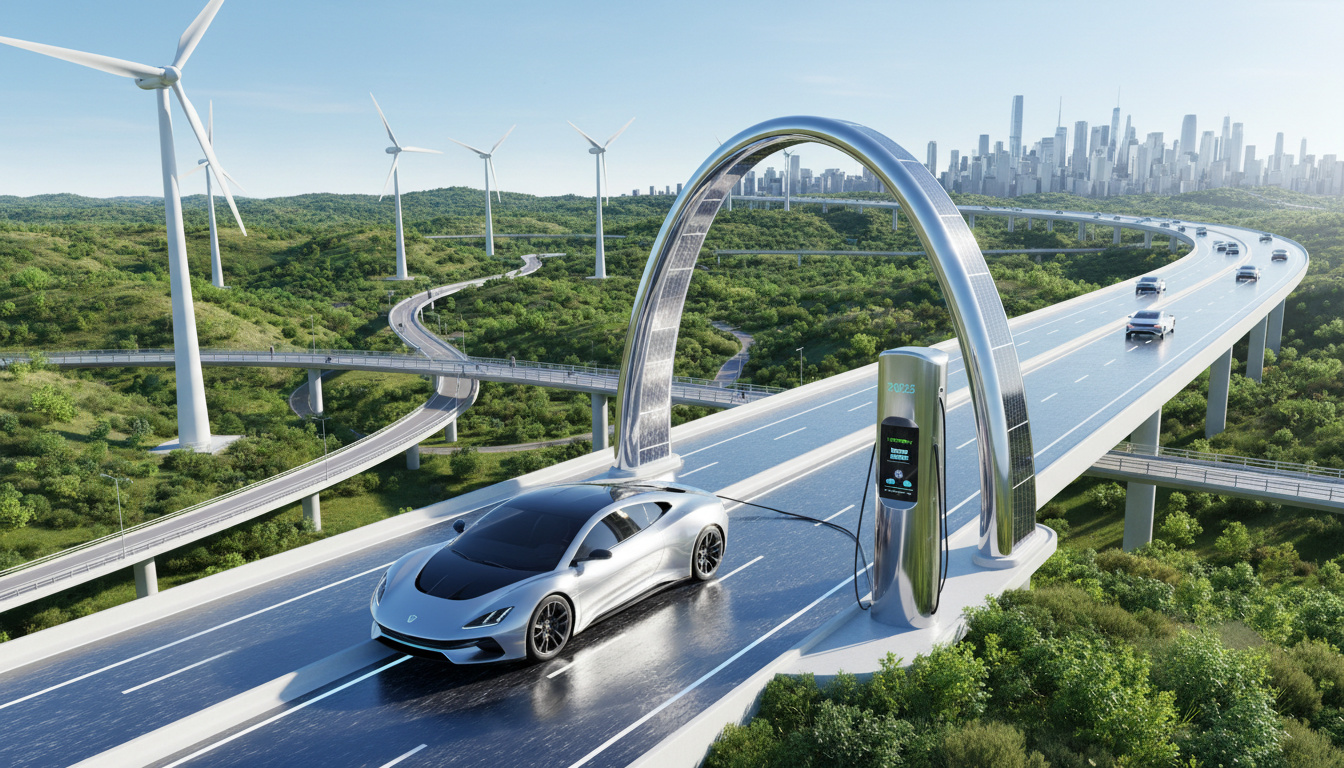
A zero-emissions vehicle (ZEV) produces no exhaust gas, criteria pollutants, toxic air contaminants, or greenhouse gases from its onboard power source during any operational mode, including cold starts. This definition, established by the California Air Resources Board (CARB), distinguishes ZEVs by focusing exclusively on tailpipe emissions rather than upstream energy production. As municipalities and manufacturers accelerate adoption, these vehicles represent a fundamental shift in transportation technology aimed at eliminating local air pollution.
Unlike conventional internal combustion engines, ZEVs utilize electric drive systems powered by batteries or hydrogen fuel cells. The category encompasses passenger cars, commercial trucks, buses, and even smaller devices like Segways and e-bikes. While the concept emphasizes zero direct emissions, the full environmental impact depends on the cleanliness of electricity grids and hydrogen production methods used to power these systems.
The transition to zero-emission transport has gained regulatory momentum globally, with jurisdictions implementing mandates and incentives to phase out fossil fuel-dependent vehicles. Understanding the technical distinctions, operational requirements, and lifecycle implications of ZEVs has become essential for fleet managers, policymakers, and consumers evaluating transportation options in 2025.
What Is a Zero-Emissions Vehicle?
Definition
Vehicles with no tailpipe emissions under CARB standards, shifting potential emissions to electricity or hydrogen production sites.
Main Types
Battery Electric Vehicles (BEV) and Hydrogen Fuel Cell Electric Vehicles (FCEV).
Key Benefits
Elimination of local air pollutants, reduced noise pollution, and lower operating costs.
Global Status
Increasing mandates in the European Union and California targeting 2035 for combustion phase-out.
- CARB defines ZEVs by tailpipe-only emissions, explicitly excluding upstream generation from the classification.
- BEVs store energy in rechargeable battery packs powering high-efficiency electric motors.
- FCEVs generate electricity onboard by combining hydrogen and oxygen in a fuel cell stack.
- Regenerative braking systems recapture kinetic energy to extend vehicle range and improve efficiency.
- Zero tailpipe emissions significantly reduce urban smog and associated respiratory health risks.
- California offers ZEV weight exemptions up to 2,000 pounds for commercial vehicles with heavier power systems.
- Municipal fleets increasingly deploy electric buses and garbage trucks for immediate air quality improvements.
| Type | Power Source | Byproducts | Key Components | Examples | Classification |
|---|---|---|---|---|---|
| BEV | Stored electricity from grid | None (at tailpipe) | Battery pack, electric motor, BMS | Tesla Model 3, Nissan Leaf | True ZEV |
| FCEV | Hydrogen fuel cell reaction | Water vapor, heat | Fuel cell stack, hydrogen tank | Toyota Mirai, Hyundai NEXO | True ZEV |
| PHEV | Battery + combustion engine | CO2, NOx (when ICE runs) | Battery, engine, exhaust system | Various plug-in hybrids | Low-emission (not ZEV) |
| NZEV | Near-zero emission combustion | Minimal pollutants | Advanced ICE systems | Some heavy-duty trucks | Low-emission (not ZEV) |
| H2 ICE | Hydrogen internal combustion | NOx, trace emissions | Modified combustion engine | Experimental trucks | Not ZEV |
| Human-powered | Human effort | None | Mechanical drivetrain | Bicycles, rowing boats | Technical ZEV |
Types and Examples of Zero-Emissions Vehicles
Battery Electric Vehicles
Battery Electric Vehicles represent the most common ZEV type, utilizing rechargeable lithium-ion battery packs to store electrical energy. These systems power one or more electric motors that drive the wheels, with energy recovered during deceleration through regenerative braking. Consumer examples include the Nissan Leaf and Tesla Model 3, while commercial applications span delivery vans, refuse trucks, and urban buses that operate similarly to trains in fixed-route efficiency but with greater flexibility.
Hydrogen Fuel Cell Electric Vehicles
Hydrogen Fuel Cell Electric Vehicles operate by generating electricity onboard through an electrochemical reaction between hydrogen and oxygen. This process produces only water and heat as byproducts, with no internal combustion occurring.
Commercial and Heavy-Duty Applications
Commercial and heavy-duty applications demonstrate ZEV viability beyond passenger transport. Electric garbage trucks, construction equipment, and freight locomotives increasingly populate urban environments. These vehicles leverage overnight charging infrastructure and regenerative braking to maintain operational efficiency while eliminating diesel emissions in population centers.
Human-powered bicycles and Segway Personal Transporters technically qualify as zero-emissions vehicles under CARB definitions, though policy discussions typically focus on motorized transport.
How Do Zero-Emissions Vehicles Work?
Electric Drive Systems and Energy Storage
ZEVs fundamentally rely on electric drivetrains that convert stored energy into mechanical motion. Battery electric vehicles store energy chemically in battery packs, while fuel cell vehicles generate electricity electrochemically from hydrogen. Both systems utilize electric motors to drive wheels directly, eliminating the need for transmissions, exhaust systems, or fuel tanks associated with combustion engines.
Regenerative Braking and Efficiency
Regenerative braking systems capture kinetic energy typically lost as heat during deceleration, converting it back into electrical energy to recharge batteries. This technology significantly extends vehicle range in urban stop-and-go traffic. Additionally, electric drivetrains demonstrate superior thermodynamic efficiency compared to internal combustion engines, with some systems achieving up to eleven times the efficiency of conventional vehicles.
Refueling Infrastructure Differences
BEVs recharge via electrical grid connections at home, workplaces, or public charging stations, with charging duration varying from minutes to hours depending on power levels, as logistics industry sources note. FCEVs refuel with compressed hydrogen at specialized stations, typically completing fills within minutes comparable to gasoline. This distinction creates different infrastructure requirements and logistical considerations for fleet operators.
While ZEVs emit nothing from the tailpipe, emissions may occur at power generation facilities or hydrogen production sites. Lifecycle emissions depend entirely on whether electricity derives from renewable sources or fossil fuels.
Benefits and Challenges of Zero-Emissions Vehicles
Local Air Quality and Public Health
Eliminating tailpipe emissions directly reduces concentrations of nitrogen oxides, particulate matter, and volatile organic compounds in urban atmospheres. This improvement decreases respiratory illness rates and smog formation. Additionally, electric drivetrains operate with significantly lower noise pollution compared to combustion engines, improving quality of life in dense metropolitan areas where traffic noise constitutes a major stressor.
Lifecycle Emissions and Energy Sources
The total environmental impact of ZEVs extends beyond operation to include manufacturing and energy production. Battery manufacturing and hydrogen derived from natural gas can produce substantial upstream emissions. However, when powered by renewable electricity or green hydrogen, these vehicles achieve near-zero lifecycle emissions, making grid decarbonization essential for maximizing climate benefits.
Infrastructure and Economic Barriers
Widespread adoption requires substantial charging and hydrogen refueling infrastructure investments. Battery weight penalties affect commercial vehicle payload capacity, though California permits ZEV weight exemptions up to 2,000 pounds to offset heavier power systems. Initial purchase prices typically exceed comparable combustion vehicles, though operational savings on fuel and maintenance often offset costs over time.
Hydrogen produced through natural gas reforming generates significant carbon emissions. Only electrolysis powered by renewable energy qualifies as truly zero-emission from a lifecycle perspective.
The Evolution and Future Timeline of Zero-Emissions Vehicles
- : California Air Resources Board establishes the first ZEV mandate requiring manufacturers to sell increasing percentages of zero-emission vehicles.
- : Mass-market battery electric vehicles enter consumer markets with models like the Nissan Leaf, demonstrating commercial viability beyond experimental fleets.
- : European Union announces regulations effectively banning new internal combustion engine passenger vehicles by 2035.
- : Municipal fleet replacements accelerate globally, with cities deploying electric garbage trucks, buses, and delivery vehicles for immediate air quality improvements.
- : Development focuses on scaling heavy-duty applications, solid-state batteries, and renewable hydrogen infrastructure to support widespread commercial adoption.
Established Facts and Ongoing Uncertainties
| Established Information | Information That Remains Unclear |
|---|---|
| ZEVs emit no exhaust gases, criteria pollutants, or greenhouse gases from onboard sources under any operational mode per CARB definitions. | Specific lifecycle carbon footprints vary significantly based on regional electricity grid composition and battery manufacturing locations. |
| Battery electric and hydrogen fuel cell vehicles qualify as true ZEVs; hydrogen internal combustion and biofuels do not. | Precise 2025 model pricing and incentive availability remain dependent on evolving legislation and market conditions. |
| California provides ZEV weight exemptions up to 2,000 pounds for commercial vehicles to accommodate heavier power systems. | Global standardization timelines for hydrogen production certification and charging infrastructure protocols continue developing. |
The Regulatory Context Behind ZEV Adoption
The regulatory framework for zero-emissions vehicles originated with California’s Air Resources Board, which pioneered the ZEV mandate in 1990 to combat severe urban air pollution. This regulatory approach requires automobile manufacturers to sell increasing percentages of zero-emission vehicles based on total sales volume, creating a market mechanism that drives electrification. Manufacturers earn regulatory credits for ZEV production, which can be traded among companies to ensure compliance across the industry.
Global policy momentum has accelerated following California’s model, with the European Union implementing binding targets to eliminate combustion engine sales by 2035. These mandates reflect growing recognition that transportation electrification proves essential for meeting climate commitments and reducing urban pollution-related health burdens. Municipal governments have emerged as early adopters, replacing diesel buses and municipal trucks with electric alternatives to demonstrate viability while improving local air quality in congested urban centers.
Expert Sources and Industry Perspectives
A zero-emissions vehicle (ZEV) is a vehicle that emits no exhaust gas, criteria pollutants, toxic air contaminants, or greenhouse gases from its onboard power source under any operational mode or condition, including cold starts.
California Air Resources Board, via CARB ZEV Truckstop Resources
ZEVs shift emissions ‘well-to-wheel’: battery charging from fossil fuels or hydrogen from natural gas can exceed conventional vehicle lifecycle emissions unless using renewables.
Wikipedia Zero-Emissions Vehicle
Urban freight transitions start here for immediate air quality gains.
National Association of City Transportation Officials, Building Healthy Cities
Key Takeaways on Zero-Emissions Vehicles
Zero-emissions vehicles represent a fundamental technological shift from combustion to electric drive systems, eliminating local tailpipe pollutants that degrade urban air quality and public health. While battery electric and hydrogen fuel cell technologies achieve zero operational emissions, their full environmental benefit depends on cleaning electricity grids and hydrogen production methods. As municipalities transition fleets and regulators tighten mandates, ZEVs offer a viable pathway to decarbonize transportation, though lifecycle assessments remain essential for evaluating true climate impact. Individuals considering the shift from conventional vehicles might first verify their eligibility through a standard driving test process to ensure proper licensing for operating these advanced vehicle systems.
Frequently Asked Questions
What is ZEV credit?
A regulatory mechanism where manufacturers earn credits for producing zero-emissions vehicles to meet air quality mandates, tradable between companies to ensure industry-wide compliance with sales targets.
Which countries mandate zero emission vehicles?
The European Union mandates phasing out new combustion engine vehicles by 2035. California requires increasing annual percentages of ZEV sales. Other jurisdictions including Canada and several U.S. states have adopted similar regulations.
Do zero emission vehicles have any emissions?
No tailpipe emissions occur during operation. However, emissions may result from electricity generation or hydrogen production depending on whether fossil fuels or renewable sources provide the energy.
How much do zero emission vehicles cost?
Specific pricing varies by model and market segment. While purchase prices typically exceed comparable combustion vehicles, operational savings on fuel and maintenance, combined with available incentives, often reduce total ownership costs.
Are Segways considered zero-emission vehicles?
Yes, Segway Personal Transporters technically qualify as zero-emissions vehicles under CARB definitions, as do e-bikes, electric scooters, and human-powered bicycles, though policy typically focuses on motorized transport.
What is the difference between zero emission and low emission vehicles?
Zero-emission vehicles produce no tailpipe emissions during operation. Low-emission vehicles, including plug-in hybrids and near-zero emission vehicles, emit some pollutants from onboard combustion engines or other power sources.

Henry William Bennett Murray is a staff writer for CivicInsight.uk, covering UK public affairs, policy and civic life. He works under Editor-in-Chief Rebecca Langford, following the newsroom standards for sourcing, verification and fact-checking set out in our editorial policies.