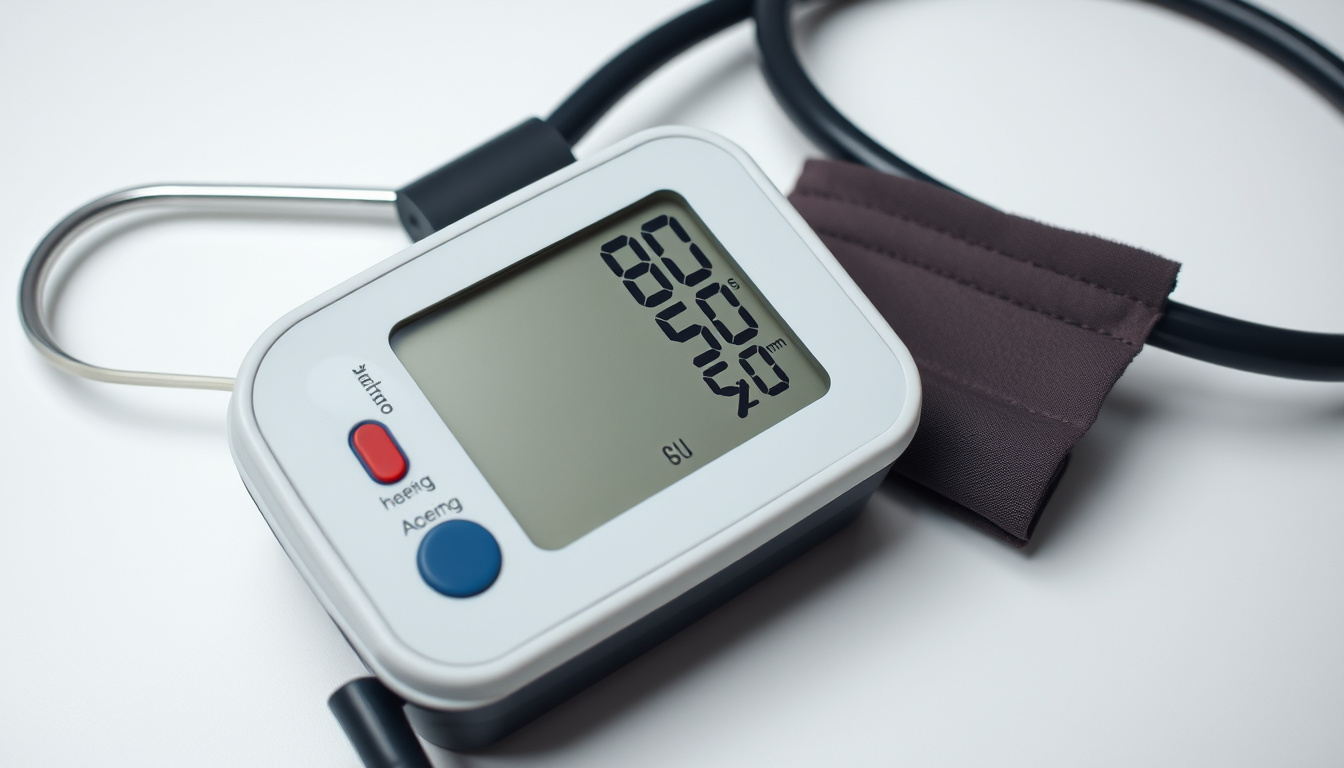
Low blood pressure, medically termed hypotension, is generally defined as readings below 90/60 mmHg in adults. However, the threshold for danger depends less on numbers alone and more on whether symptoms of inadequate organ perfusion are present. Readings near or below 70/40 mmHg accompanied by fainting, chest pain, confusion, or shock represent a medical emergency requiring immediate attention.
For women specifically, several physiological factors can make low blood pressure more likely, including hormonal fluctuations throughout the menstrual cycle, pregnancy, and menopause, as well as naturally smaller blood volume compared to men. While many individuals with low readings experience no symptoms at all, others may face dizziness, fatigue, or more serious complications that affect daily life and overall health.
Understanding when low blood pressure becomes dangerous for women involves examining normal ranges, severity thresholds, pregnancy considerations, and the specific symptoms that should prompt someone to seek medical advice. This guide consolidates current guidance from major health authorities to provide clarity on this often-overlooked aspect of cardiovascular health.
What Is a Dangerous Low Blood Pressure for a Woman?
The clinical definition of hypotension in adults is a reading below 90/60 mmHg, though some UK guidelines set the threshold slightly lower at 89/59 mmHg. What makes low blood pressure genuinely dangerous is not the number alone but whether it produces symptoms indicating insufficient blood flow to vital organs. Readings that remain asymptomatic, even if below standard thresholds, often require no intervention.
Key insights from current medical guidance include the following points that women should understand about low blood pressure:
- Symptomatic readings below 90/60 mmHg generally indicate hypotension requiring attention
- Age and pregnancy status significantly influence what constitutes a safe or dangerous reading
- Low blood pressure is not always harmful; many people live healthy lives with naturally low readings
- Women may be more susceptible due to hormonal changes and smaller average blood volume
- The presence of symptoms matters more than the number on the monitor in isolation
- Sudden drops of 20 mmHg or more can cause dizziness or fainting regardless of baseline readings
- Medical consultation is recommended whenever symptoms are concerning or persistent
| Category | Threshold |
|---|---|
| General Low | <90/60 mmHg |
| Women Normal | 90/60 – 120/80 mmHg |
| Mild Hypotension | 80-90/50-60 mmHg (often asymptomatic) |
| Moderate | 70-80/40-50 mmHg (dizziness, nausea) |
| Dangerous | <70/40 mmHg or symptomatic readings |
| Orthostatic Drop | ≥20 mmHg systolic within 3 minutes of standing |
Normal Blood Pressure Ranges by Age and Gender
Average blood pressure varies considerably across age groups and between sexes. For women aged 18-39, the typical range is around 110/68 mmHg, rising to 122/74 mmHg between ages 40 and 59. Among those over 60, average systolic pressure increases to 139/68 mmHg, which is slightly higher than age-matched men at 133/69 mmHg.
These averages provide context but do not establish individual thresholds. Athletes and otherwise healthy individuals often have readings well below these averages without any associated health risks. Conversely, someone whose baseline has historically been higher may experience symptoms at what would be considered a normal reading for others.
Severity Levels of Low Blood Pressure
Medical professionals categorize hypotension into several severity tiers based on readings and associated symptoms. Mild hypotension, ranging from 80-90/50-60 mmHg, often produces no noticeable effects or only mild dizziness upon standing quickly. Moderate hypotension, between 70-80/40-50 mmHg, typically causes lightheadedness, nausea, blurred vision, and fatigue. Severe hypotension below 70/40 mmHg requires emergency intervention, as it may present with confusion, cold and clammy skin, rapid breathing, and shock.
Understanding Orthostatic Hypotension
A specific pattern worth recognizing is orthostatic hypotension, defined as a drop of at least 20 mmHg systolic or 10 mmHg diastolic within three minutes of standing. This condition occurs when the body fails to compensate adequately for the shift in blood distribution that happens when moving from seated or lying position to standing. It is particularly common among older adults and can increase fall risk significantly.
According to major health authorities, the danger from low blood pressure stems primarily from symptoms indicating inadequate organ perfusion rather than from numbers alone. A reading of 85/55 mmHg in an asymptomatic individual may require no action, while a reading of 95/60 mmHg accompanied by chest pain or confusion would demand urgent evaluation.
What Is a Dangerous Low Blood Pressure for a Woman Pregnant?
Pregnancy introduces significant cardiovascular changes that affect blood pressure readings throughout gestation. Blood volume increases by approximately 40 to 50 percent, and cardiac output rises substantially to support the developing fetus. These adaptations can naturally lower blood pressure, particularly during the first and second trimesters, before readings typically normalize or increase slightly toward term.
For nulliparous women in normal pregnancies, mean blood pressure at 12 weeks gestation measures approximately 112.1/65.4 mmHg, with a 95 percent range of 88.6-135.5/48.9-81.9. By 37 weeks, the mean rises to 116.0/70.0 mmHg, with a range of 92.3-139.7/52.2-87.9. These figures illustrate how pregnancy blood pressure fluctuates across trimesters, with narrower ranges observed in uncomplicated pregnancies compared to broader populations.
When Low Blood Pressure During Pregnancy Becomes Concerning
While some degree of blood pressure reduction is expected and normal during pregnancy, certain patterns warrant attention. Symptoms such as severe dizziness, fainting episodes, shortness of breath, chest discomfort, or visual disturbances should prompt immediate contact with a healthcare provider. Women with pre-existing conditions that predispose them to low blood pressure may face higher risks and require closer monitoring throughout pregnancy.
Research indicates that abnormal low blood pressure during pregnancy is less commonly documented than hypertension, which affects approximately 2 to 6 percent of pregnancies. However, when hypotension does occur in association with underlying conditions or excessive blood pressure reductions, it can pose risks to both maternal and fetal wellbeing.
Managing Low Blood Pressure During Pregnancy
Tracking blood pressure changes throughout pregnancy provides valuable information for healthcare providers. Women are encouraged to attend all scheduled prenatal appointments where blood pressure is routinely measured and compared against baseline values and gestational norms. Any sudden drops or readings accompanied by symptoms should be reported promptly.
Staying well-hydrated, rising slowly from seated or lying positions, and wearing compression stockings as recommended by a healthcare provider can help manage pregnancy-related blood pressure fluctuations. Any dietary changes should be discussed with a doctor before implementation.
What to Do If Blood Pressure Is Too Low
When low blood pressure produces symptoms, several immediate and longer-term strategies can help manage the condition effectively. The approach varies depending on severity, frequency, and whether an underlying cause has been identified. Anyone experiencing severe symptoms such as fainting, chest pain, confusion, or signs of shock should seek emergency medical care without delay.
Immediate Steps for Symptomatic Hypotension
- Sit or lie down immediately if feeling dizzy or about to faint
- Rise slowly from seated or lying positions, pausing between movements
- Drink water or a rehydrating beverage if dehydration is suspected
- Counterpressure techniques such as crossing the legs or clenching the fists may help raise readings temporarily
- Avoid prolonged standing, especially in hot environments
- Seek emergency care for severe symptoms including fainting, chest pain, or confusion
When to Seek Medical Attention
Warning signs that should trigger urgent medical evaluation include fainting or near-fainting episodes, chest pain or pressure, shortness of breath, confusion or difficulty concentrating, cold and clammy skin, rapid and weak pulse, and shock. These symptoms suggest inadequate blood flow to critical organs and require professional assessment and intervention.
Dietary Considerations
While specific dietary prescriptions for hypotension are less well-established than for hypertension, certain nutritional approaches may help raise low readings. Increasing salt intake modestly, under a physician’s guidance, can be beneficial for some individuals. Staying adequately hydrated supports blood volume maintenance.
Eating smaller, more frequent meals rather than large meals can help prevent postprandial drops in blood pressure. Some evidence suggests that caffeine in moderation and foods rich in folate and vitamin B-12 may offer mild benefits, though individual responses vary considerably. Pregnant women should always consult their healthcare provider before making significant dietary changes.
This article provides general information for educational purposes only and does not substitute for professional medical advice. Individuals concerned about their blood pressure should consult qualified healthcare providers for personalized assessment and recommendations.
What Causes Low Blood Pressure?
Low blood pressure results from various mechanisms and underlying factors that affect either blood volume, cardiac output, or vascular resistance. Understanding the cause helps guide appropriate management and determine whether intervention is necessary. Causes range from temporary and benign situations to serious medical conditions requiring treatment.
Common Contributing Factors
- Sudden position changes, particularly standing quickly from seated or lying positions
- Reduced blood volume from dehydration, blood loss, or inadequate fluid intake
- Nutritional deficiencies, including insufficient folate and vitamin B-12
- Endocrine problems such as adrenal insufficiency or low blood sugar
- Extended bed rest or prolonged immobility
- Heart conditions affecting pumping efficiency
- Certain medications, including some antidepressants and diuretics
Orthostatic Hypotension Mechanisms
Orthostatic hypotension occurs when the autonomic nervous system fails to compensate adequately for gravity’s effect on blood distribution when standing. In younger individuals, this may manifest as mild symptoms when standing quickly or after extended periods of stillness. Older adults face higher risk due to age-related changes in autonomic function and medication effects. Дізнайтеся більше про симптоми хибної вагітності у собак за цим посиланням: симптоми хибної вагітності у собак.
Medical Conditions and Medications
Several medical conditions predispose individuals to low blood pressure, including heart problems that impair pumping action, endocrine disorders affecting hormone regulation, severe infections, and shock from various causes. Among medications, diuretics, beta-blockers, some Parkinson disease drugs, certain antidepressants, and medications for erectile dysfunction most commonly contribute to hypotension.
Pregnancy-Related Causes
Pregnancy fundamentally alters cardiovascular dynamics. The circulatory system expands to accommodate increased blood volume, and hormonal changes cause blood vessels to relax. These adaptations, while necessary for supporting fetal development, can lower maternal blood pressure, particularly during the first 24 weeks of pregnancy. Most women’s readings return to their pre-pregnancy baseline after delivery.
Identifying personal triggers can help prevent symptomatic episodes. Common triggers include standing for extended periods, hot environments, dehydration, large meals, alcohol consumption, and rapid position changes. Tracking symptoms alongside activities and environment may reveal patterns worth discussing with a healthcare provider.
What Health Authorities Say About Low Blood Pressure
Major health organizations provide consistent guidance on the general definition of hypotension while emphasizing the importance of individual assessment. The British Heart Foundation defines low blood pressure as below 89/59 mmHg, with normal readings ranging from 90/60 to 120/80 mmHg. Their guidance emphasizes that low blood pressure itself is not usually dangerous for most people, with attention focused primarily on identifying underlying causes and assessing symptoms.
According to the British Heart Foundation, the key consideration for low blood pressure is understanding the cause and recognizing when symptoms suggest the need for medical attention.
The American Heart Association aligns with the general threshold of below 90/60 mmHg for hypotension definition. Their resources note that while charts typically identify normal blood pressure as below 120/80 mmHg, no unique low blood pressure thresholds specific to age, gender, or pregnancy are established in their general guidance. They advise monitoring and discussing any concerning readings with healthcare providers.
The American Heart Association emphasizes that understanding individual baseline readings and recognizing personal symptoms remain more valuable than rigid adherence to population-based thresholds.
The UK National Health Service highlights dehydration, heart problems, and medications as common causes of low blood pressure, reinforcing a symptom-driven approach to assessment rather than focusing exclusively on numbers. Their guidance supports seeking medical advice when low readings cause symptoms or when sudden drops occur without apparent cause.
Understanding What We Know and What Remains Unclear
Current medical evidence provides clear guidance on certain aspects of low blood pressure while leaving other questions incompletely answered. Recognizing both established knowledge and areas of uncertainty helps individuals maintain realistic expectations about the condition and its management.
- General hypotension threshold is below 90/60 mmHg for most adults
- Symptoms, not numbers alone, often determine clinical significance
- Pregnancy causes expected blood pressure reductions that typically resolve postpartum
- Hormonal fluctuations can affect women’s readings throughout life
- Sudden drops of 20 mmHg or more may cause dizziness or fainting
- Dehydration, medications, and heart issues are recognized contributing factors
- Precise thresholds at which low readings become dangerous vary by individual
- Limited data exists on hypotension specifics broken down by gender and age beyond general categories
- Pregnancy research focuses more heavily on hypertension than hypotension
- Comprehensive dietary recommendations for raising low blood pressure are not well-established
- Individual variation in what constitutes a dangerous reading makes universal thresholds problematic
Why Low Blood Pressure Matters
Though less frequently discussed than high blood pressure, hypotension represents a legitimate health concern that can significantly impact quality of life and, in severe cases, endanger wellbeing. While many individuals with naturally low readings experience no adverse effects, others face symptoms that range from mildly inconvenient to seriously debilitating.
For women, understanding blood pressure patterns holds particular relevance given the various life stages and conditions that can affect readings. Menstrual cycles, pregnancy, menopause, and hormonal medications all influence cardiovascular function in ways that may manifest as low blood pressure. Recognizing when readings cross from benign to concerning enables timely intervention and prevents complications.
Healthcare professionals stress that both patients and providers should view blood pressure in context rather than as an isolated number. Factors including overall health status, medication use, symptoms, and recent trends all contribute to proper assessment. This individualized approach helps avoid both unnecessary alarm for benign low readings and missed diagnoses when symptoms suggest underlying problems.
Key Takeaways for Women
Low blood pressure becomes dangerous for women when it causes symptoms indicating inadequate blood flow to organs, such as readings near or below 70/40 mmHg accompanied by fainting, chest pain, confusion, or shock. The general threshold of 90/60 mmHg applies broadly, though individual circumstances modify what constitutes a concern for any particular person.
Pregnancy, hormonal fluctuations, and smaller average blood volume contribute to women’s increased susceptibility to hypotension. Monitoring changes over time, attending prenatal appointments, and reporting symptoms promptly supports early identification of problematic patterns. Simple management strategies including adequate hydration, gradual position changes, and avoiding known triggers help many women maintain stable readings.
When symptoms are severe, persistent, or concerning, healthcare providers can evaluate for underlying causes and recommend appropriate interventions. Understanding personal baseline readings and recognizing warning signs empowers women to take appropriate action when blood pressure drops too low.
Frequently Asked Questions
What is a dangerous low blood pressure for a man?
The same general thresholds apply to men as to women. Readings below 90/60 mmHg may indicate hypotension, with dangerous levels typically occurring near or below 70/40 mmHg when accompanied by symptoms such as fainting, chest pain, confusion, or shock. No men-specific hypotension thresholds differ from the general adult criteria.
How does low blood pressure vary by age?
Younger women often have lower average readings than age-matched men, with the pattern reversing after age 60 when women’s systolic readings tend to be higher. Older adults face increased risk of orthostatic hypotension due to age-related changes in autonomic function and medication effects.
What is a dangerous low blood pressure for a woman in the UK?
UK health authorities, including the British Heart Foundation, define low blood pressure as below 89/59 mmHg. Normal readings fall between 90/60 and 120/80 mmHg. The general principle remains that symptomatic readings indicating organ hypoperfusion require medical attention regardless of exact numbers.
What causes low blood pressure?
Common causes include dehydration, heart problems, certain medications, sudden position changes, nutritional deficiencies, endocrine disorders, and prolonged bed rest. In pregnancy, cardiovascular adaptations naturally lower blood pressure. Identifying the underlying cause helps guide appropriate management.
What is normal blood pressure for a woman?
Normal blood pressure for women aligns with general adult guidelines at below 120/80 mmHg. Ranges vary by age, with younger women averaging around 110/68 mmHg and older women often having higher systolic readings. Pregnancy introduces separate norms, with readings typically lower during early gestation before normalizing.
What should a woman eat to address low blood pressure?
Dietary approaches include modest salt increase under physician guidance, adequate hydration, smaller frequent meals, and potentially caffeine in moderation. Foods rich in folate and vitamin B-12 may offer benefits. Pregnant women should consult healthcare providers before dietary changes.
When should someone see a doctor about low blood pressure?
Medical attention is warranted for severe symptoms including fainting, chest pain, shortness of breath, confusion, cold clammy skin, or signs of shock. Frequent dizziness, persistent fatigue, or any symptoms affecting daily life also merit professional evaluation to identify underlying causes.

Oliver Hayes is a staff writer for CivicInsight.uk, reporting on news, local government and public services. His work is reviewed by the editorial desk and checked against our sourcing and fact-checking standards before publication.